
xeniahotelsandresorts Logo Xeniahotelsandresorts Contact Us
Contact Us

Wildlife Observation in Czech Forests

Learn how to spot deer, lynx, and rare birds in Czech woodlands. We'll show you the best techniques, timing, and locations for successful wildlife watching.

11 min read Intermediate March 2026
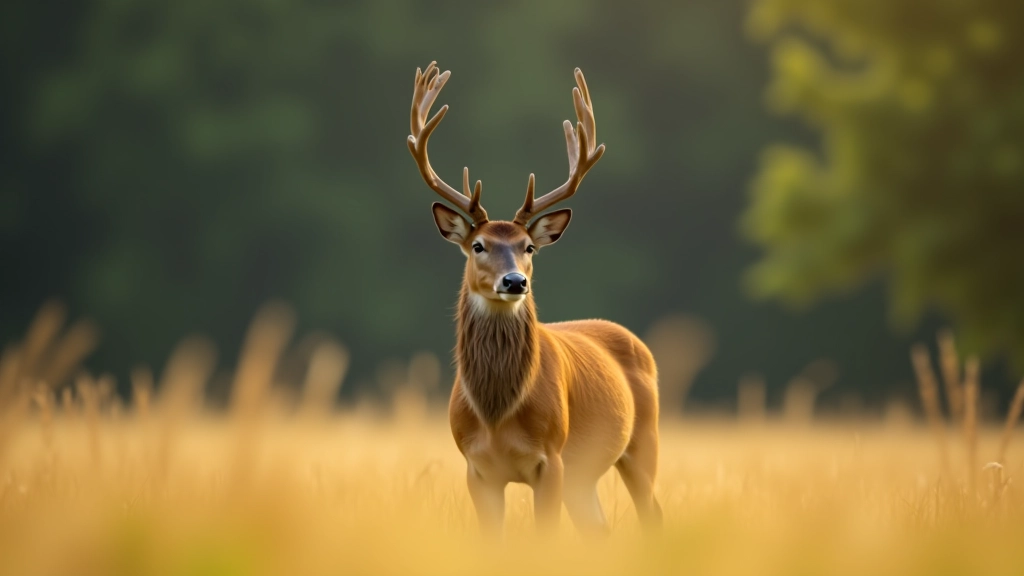
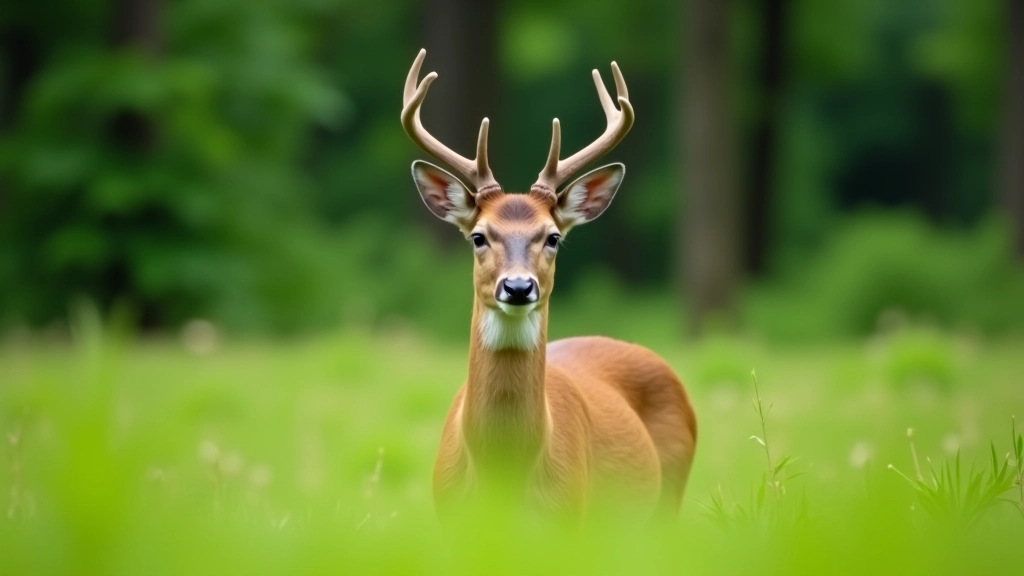
Deer grazing in natural meadow clearing surrounded by mixed woodland forest landscape
Tomáš Kučera

Tomáš Kučera

Senior Nature Recreation Specialist

Senior nature recreation specialist with 16 years of field research experience in Czech wilderness areas and forest bathing ecology.

Why Czech Forests Are Special for Wildlife Watching

Czech forests aren't just beautiful—they're home to creatures you won't find in many other European countries. Red deer roam the valleys. Lynx, once nearly extinct here, have made a real comeback in the last two decades. Pine martens, badgers, and wild boar share the woodland floor. Birds like black woodpeckers and various owls nest in the old growth.

The thing is, spotting wildlife takes patience and technique. You can't just wander into the forest and expect to see a lynx on the first day. But if you know what you're doing—where to look, when to go, how to move quietly—your chances improve dramatically. We've been doing this for years, and we'll share exactly what works.

Best seasons: Late spring (May-June) and autumn (September-October) offer peak activity. Winter works too, especially for tracking in fresh snow. Summer can be quieter as animals rest during heat.
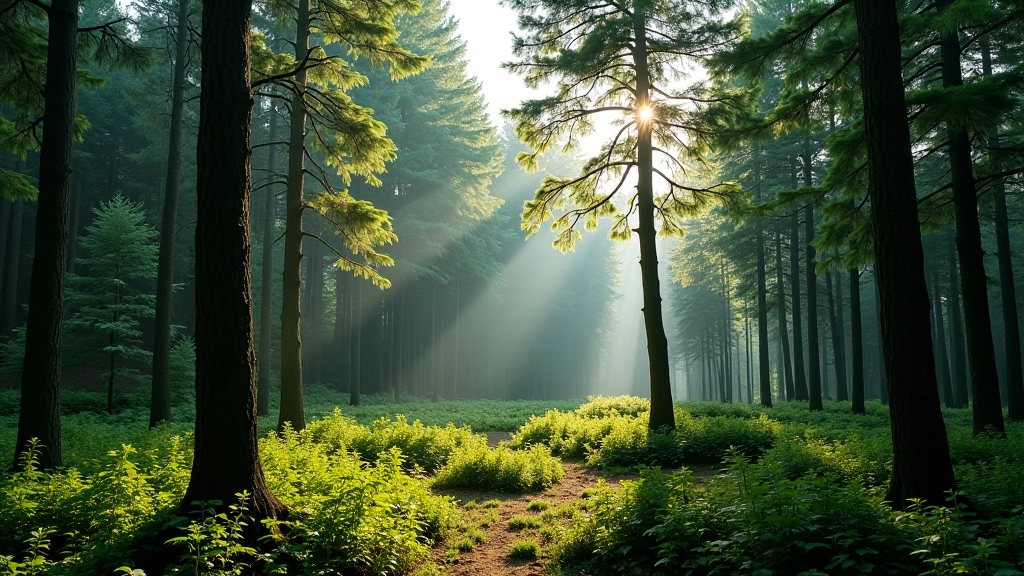
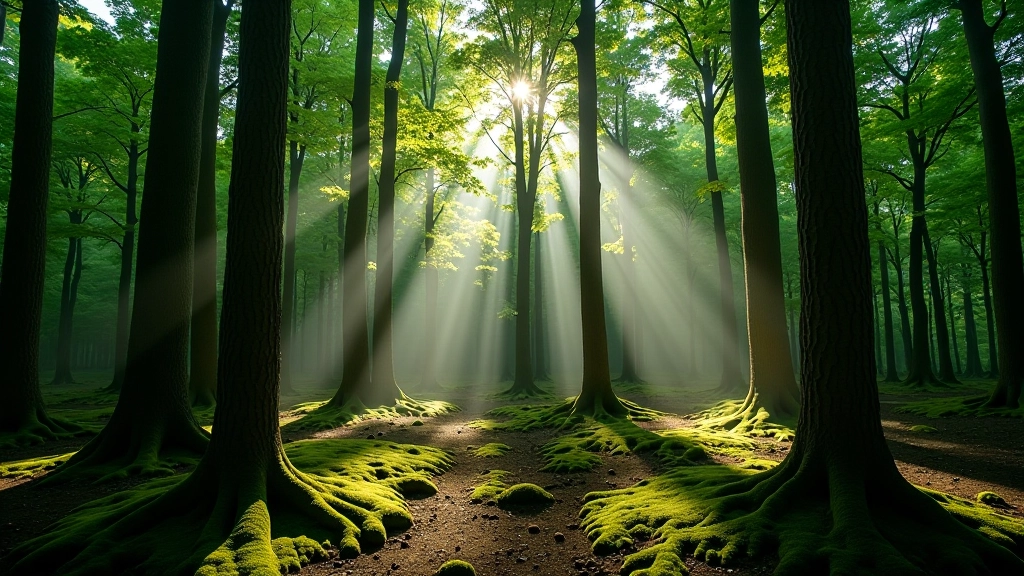
Mixed coniferous and deciduous forest canopy with sunlight filtering through branches, dense woodland habitat
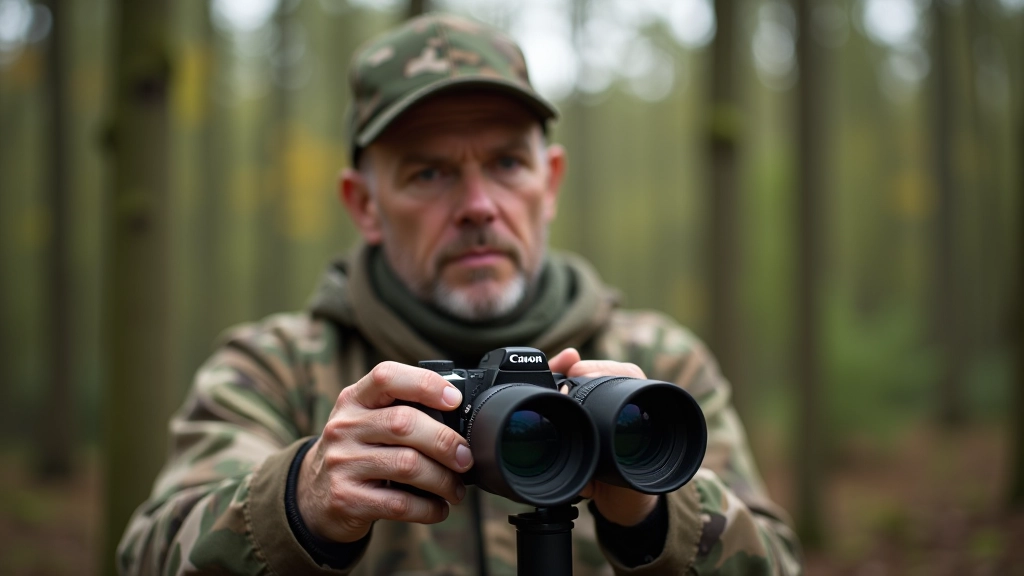
Professional wildlife observer with binoculars in dense forest clearing, camouflaged clothing, focused observation posture

Essential Techniques for Spotting Animals

First, movement betrays you. Animals detect motion faster than anything else. That's why you'll want to move slowly, pause frequently, and let your eyes do the scanning rather than your whole body. Twenty minutes of slow walking beats five minutes of rushing every single time.

Wind matters more than you'd think. Most animals rely heavily on smell. If the wind's blowing from you toward them, they'll catch your scent and bolt. You want the wind at your back or coming from the side. This sounds obvious, but it's the difference between success and disappointment.

Early morning—between 5 and 8 a.m.—is golden. Animals are most active right after dawn. The light's soft, shadows help you blend in, and fewer people are around. Dusk works too, but you're fighting against fading light and the challenge of photographing or observing in low visibility.

"Patience isn't boring—it's the difference between seeing nothing and witnessing something wild."

What to Bring and How to Prepare

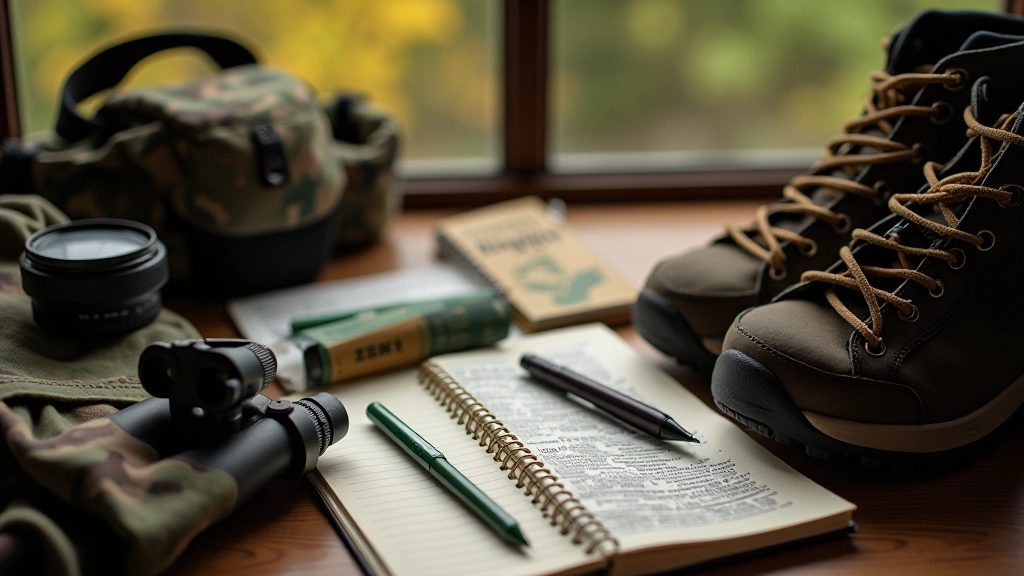
Gear doesn't need to be expensive. A decent pair of binoculars (8x42 magnification is standard), a good field guide for identifying birds and mammals, and comfortable, quiet clothing matter far more than a fancy camera.

1

Wear Earth Tones

Greens, browns, and grays help you blend into forest surroundings. Skip bright colors and reflective gear. Quiet fabrics matter too—avoid nylon that swishes with every step.

2

Bring Binoculars and a Guide

Binoculars let you observe from distance without disturbing animals. A field guide helps identify what you're seeing. The Ornithological Guide to Czech Birds is comprehensive if you're serious about bird watching.

3

Check Weather Beforehand

Clear, mild mornings bring animals out. Heavy rain? Most wildlife stays sheltered. Overcast days are actually better than sunny ones—less shadow contrast confuses your eyes.

You'll also want a small notebook. Jotting down what you see—species, behavior, time, location, weather—builds a personal record. After a few outings, patterns emerge. You'll notice deer return to the same meadow at 6:30 a.m., or owls call from a particular grove at dusk.

Laid out hiking gear including binoculars, field guide book, notebook, camouflage clothing folded, brown hiking boots on wooden table
Red deer stag with antlers standing alert in natural grassland with forest treeline background, natural behavior, daytime

Spotting Specific Animals in Czech Woodlands

Red deer are your best chance at a sighting. They're abundant in Czech forests and relatively predictable. Look for them in clearings and along forest edges at dawn. They'll have their heads down, grazing. Males are massive and distinctive, especially in rutting season (September-October) when stags become aggressive and vocal. Females and younger animals are smaller and more cautious.

Lynx sightings are rare but possible, particularly in Šumava and the Bohemian Forest. They're crepuscular—most active at dawn and dusk. You're more likely to find tracks in snow than spot one directly. If you do see a lynx, consider yourself incredibly lucky. It won't stay still for long. Keep binoculars ready and your camera lens clear.

Birds are easier. Black woodpeckers announce themselves with loud calls and visible damage to tree trunks. Owls—tawny, eagle, and barn owls—are heard more than seen. Learn their calls. Once you recognize the sound, you can locate them in trees at night with a flashlight. They're magnificent creatures, and their presence tells you the forest ecosystem is healthy.

2,000+

Red deer in Czech forests

100-150

Estimated lynx population

180+

Bird species recorded

Start Your Wildlife Observation Journey

Wildlife observation isn't complicated, but it does require respect for animals and patience. You're entering their world, not the other way around. Move carefully, observe quietly, and leave no trace. Don't approach animals or try to feed them. The goal is to watch, learn, and appreciate—not to interfere.

Pick a forest location, plan your morning, and go. Bring your binoculars, wear quiet clothes, and move slowly. You'll be amazed at what you notice. Even if you don't see large animals, the forest itself—the calls of birds, the rustling of small creatures, the patterns of light through leaves—becomes a reward in itself.

Czech forests are waiting. Wildlife thrives here. All you need to do is show up, slow down, and pay attention.

Explore More About Nature in Czech Republic

Discover other ways to connect with the outdoors.

Browse Nature Guides

Important Disclaimer

This guide is for educational purposes and describes wildlife observation techniques used by experienced naturalists. Specific animal locations, behaviors, and sighting probabilities vary seasonally and annually. Always check local regulations and obtain necessary permits before accessing protected forests. Some areas in Czech Republic require special permission for wildlife observation. Never approach wild animals, and maintain safe distances at all times. Wildlife observation carries inherent risks—use proper precautions and consider hiring a local guide if you're unfamiliar with forest navigation. This content is informational and not a substitute for professional wildlife guidance.