
The Essence of Forest Bathing
Forest bathing — or "shinrin-yoku" in Japanese — isn't a workout. It's not about covering distance or reaching a peak. Instead, it's a sensory immersion experience where you're fully present in the forest environment, absorbing its atmosphere through all your senses.
The practice emerged in Japan during the 1980s as a response to urban stress and burnout. Researchers noticed that people who spent intentional time in forests showed measurable reductions in cortisol (stress hormone) levels, lower blood pressure, and improved immune function. What started as a wellness trend has become supported by genuine scientific observation.
But here's what makes forest bathing different from regular hiking: you're not trying to go anywhere. There's no pace goal, no summit to reach, no fitness target. You'll move slowly — really slowly. A two-hour forest bath might cover less than a kilometer. That's intentional.
Why Your Senses Matter
Forest bathing activates all five senses deliberately. You're not just walking through trees — you're listening to them, smelling them, feeling the texture of bark, watching how light filters through branches.
The forest sounds matter: rustling leaves, bird calls, water flowing from a stream. These aren't background noise. They're the main event. Spend a few minutes just listening. Let your mind settle into the rhythm of the forest instead of your usual internal chatter.
The smell component is equally important. Forests release compounds called phytoncides — volatile organic compounds from trees that have antimicrobial properties. When you breathe deeply, you're literally inhaling the forest's chemistry. This isn't mystical. It's biology.
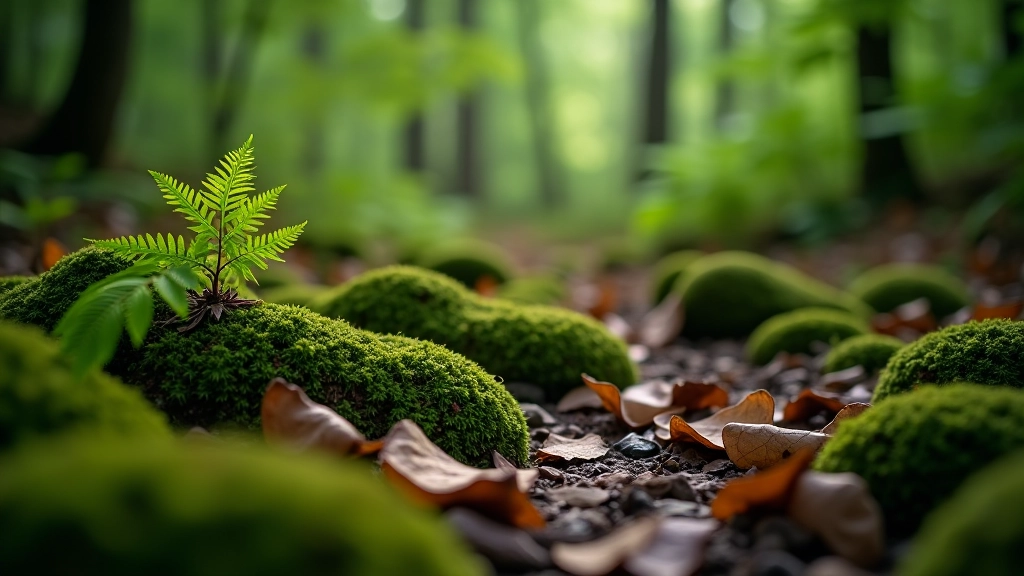
The Five Senses Framework
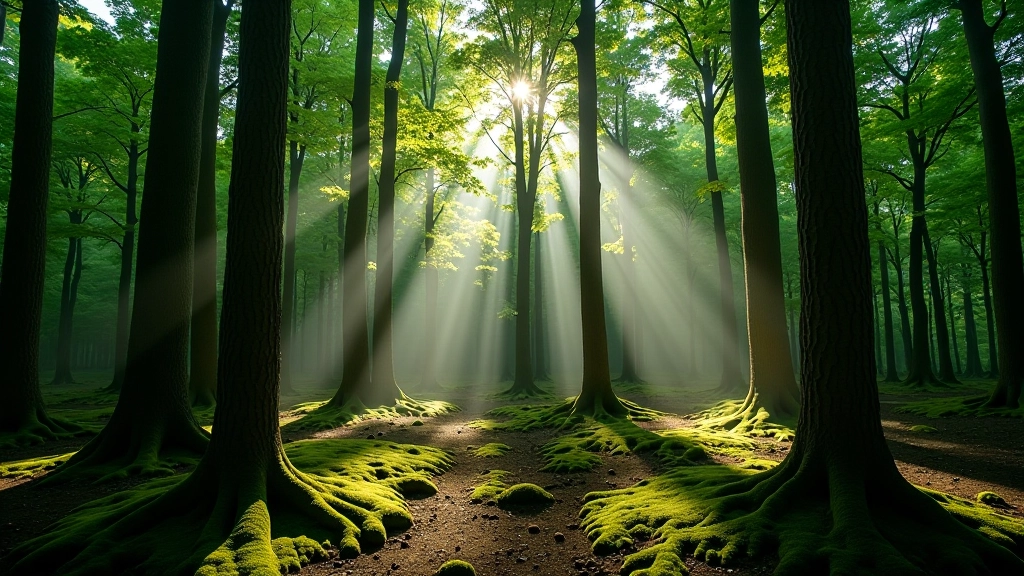
- Sight: Watch how sunlight moves through the canopy. Notice color variations in leaves and bark.
- Sound: Listen to bird calls, wind, rustling. Sit silently for 10 minutes and really absorb the acoustic landscape.
- Smell: Breathe deeply. Notice earth, leaves, pine, and moisture. These are the forest's signature scents.
- Touch: Feel bark texture, moss softness, temperature changes. Barefoot walking (where safe) intensifies this connection.
- Taste: Some practitioners include forest water or edible plants, though this requires knowledge of safe species.
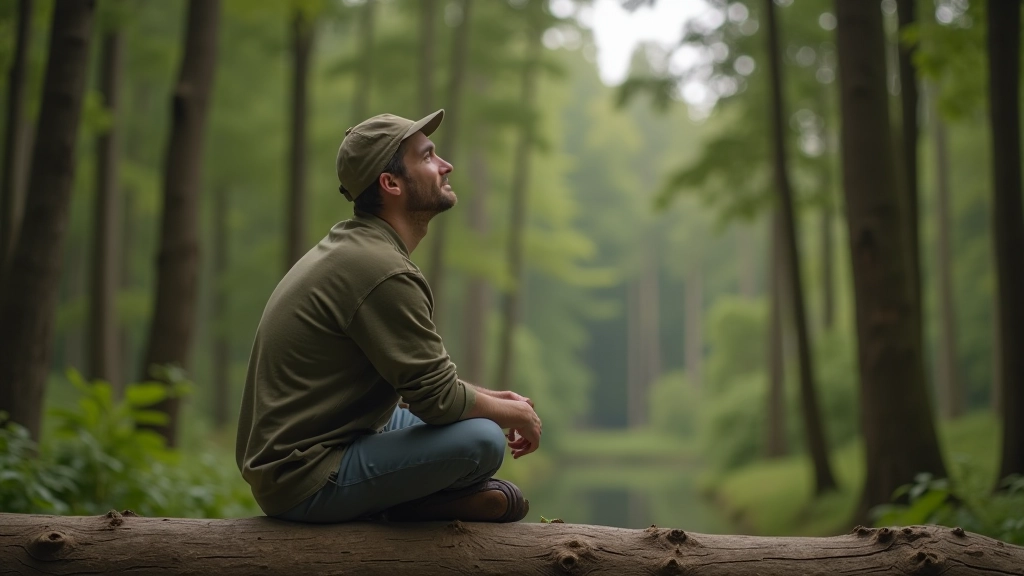
How to Actually Practice It
Start with 20-30 minutes. You don't need hours. A focused half-hour beats a distracted afternoon wandering.
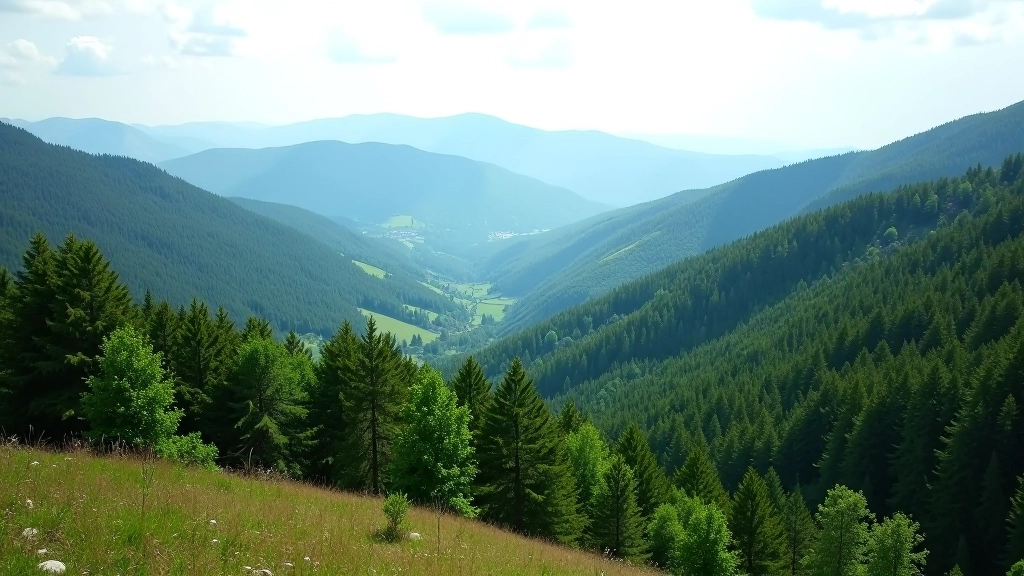
First, pick a location. You'll want a forest with decent canopy coverage — somewhere you feel immersed. Czech forests like those in the Šumava region or smaller local woods work perfectly. The forest type matters less than the sense of being surrounded by trees.
Leave your phone on silent (or at home). Seriously. The constant notifications pull you out of presence. If you need it for navigation, use offline maps.
Walk slowly. Aim for about 1 km per hour. Notice things. When something catches your attention — a particular tree, a moss-covered rock, the way light hits a fern — stop and spend time with it. There's no schedule to keep.
Common Beginner Mistakes
Most people underestimate how hard it is to slow down. Your instinct will be to "get somewhere" or "do something productive." Resist that. Forest bathing isn't productive in the traditional sense. It's restorative.
Don't bring goals. You won't count steps, track heart rate, or measure "progress." That completely defeats the purpose. The goal is presence, not performance.
Weather doesn't matter much. Light rain is fine — it changes the forest's smell and sound in interesting ways. Avoid storms or extreme heat, but overcast days? Perfect. Many practitioners prefer them because there's less glare and the light is more even.
The Physical and Mental Benefits
Regular forest bathing — even just once a month — shows measurable changes. Stress hormones drop. Blood pressure normalizes. Your nervous system shifts from "fight or flight" to "rest and digest" mode.
Mentally, you'll notice better focus and fewer intrusive thoughts. That constant mental chatter quiets down. People often report sleeping better after forest bathing sessions, sometimes for days afterward.
There's also an emotional shift. Many people feel more grounded, less anxious, and more connected to something larger than themselves. It's not spiritual in a religious sense — it's just the natural result of slowing down and paying attention to your environment.

Forest bathing isn't about achieving something. It's about being present with what already is.— Nature recreation principle
Getting Started in Czech Forests
You don't need special equipment. Wear comfortable clothes, bring water, and wear appropriate footwear for the terrain. Some people prefer minimalist shoes or even barefoot walking (on safe surfaces) to feel the forest floor more directly.
The Šumava region offers excellent opportunities for forest bathing with its dense old-growth forests and minimal crowds. Local forests near towns like Český Krumlov and Prachatice are equally good. Even smaller wooded areas can work if you find a quiet section away from main trails.
Go during off-peak hours. Early morning or late afternoon, on weekdays if possible. You're not avoiding people rudely — you're just looking for the quietness that lets you hear the forest itself.
Start with a monthly practice. Schedule it like any other commitment. Even one forest bathing session monthly creates noticeable changes in stress levels and overall wellbeing. As you get more comfortable with the practice, you might increase frequency to every two weeks or weekly.
Making It a Regular Practice
The real benefits emerge from consistency. One forest bath is nice. Monthly forest bathing is transformative. You'll notice your nervous system becomes more resilient to stress. Things that usually bother you seem less overwhelming.
Track how you feel before and after. Not with numbers — just internal awareness. Are you sleeping better? Is your mood more stable? Do you feel less rushed in daily life? These subtle shifts compound over time.
Share the practice with others if you want, but don't feel obligated. Forest bathing is inherently solitary. Bringing friends can be nice, but each person should move at their own pace and notice their own observations. Some of the deepest forest bathing happens in silence, alone with your senses.
Disclaimer
This article is informational and educational in nature. Forest bathing is a relaxation and mindfulness practice, not a medical treatment. While research suggests potential benefits for stress reduction and general wellbeing, individual results vary. If you have specific health concerns or conditions, consult a healthcare professional before starting any new wellness practice. Always follow local forest safety guidelines and be aware of weather conditions before venturing into forests. Respect protected areas and wildlife, and stay on designated trails where applicable.