
xeniahotelsandresorts Logo Xeniahotelsandresorts Contact Us
Contact Us

Exploring Šumava: Czech Republic's Largest Wilderness

Discover the pristine forests, mountain peaks, and hidden trails of Central Europe's most expansive protected wilderness area

10 min read All Levels April 2026
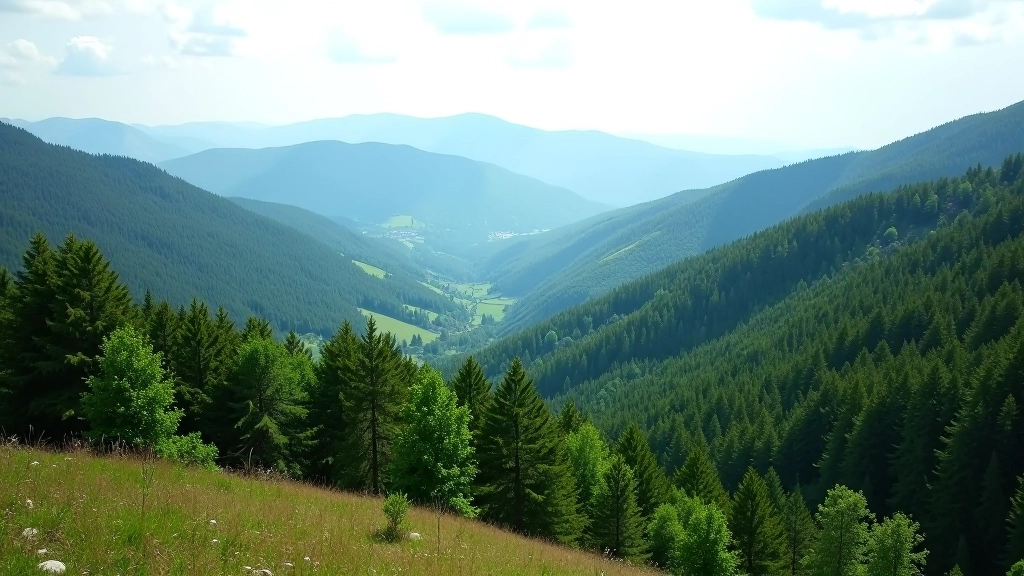
Mountain landscape view of Šumava wilderness with rolling forested hills and valleys
Tomáš Kučera, Senior Nature Recreation Specialist

Tomáš Kučera

Senior Nature Recreation Specialist

Senior nature recreation specialist with 16 years of field research experience in Czech wilderness areas and forest bathing ecology.

What Makes Šumava Special

Šumava isn't just another forest. It's Central Europe's largest protected wilderness area, stretching across the Czech-German-Austrian border with over 6,200 square kilometers of unbroken nature. When you're out there, you're walking through landscapes that have shaped European ecology for millennia. The ancient mountains, the pristine streams, the dense spruce and beech forests — it's all connected in ways that make sense once you start exploring.

The region offers something rare in modern Europe: genuine solitude. You won't find theme parks or crowded tourist zones here. What you'll find instead are proper trails, quiet valleys, and the kind of peace that comes from being surrounded by real wilderness. The highest point, Plechý, reaches 1,378 meters. From there, you're looking at an incredible panorama that stretches for kilometers in every direction.
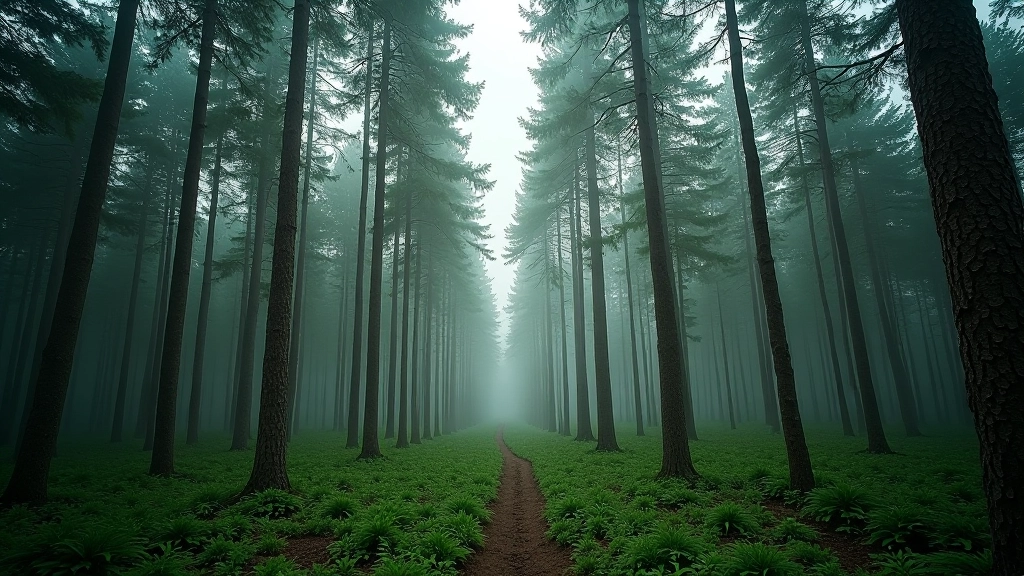
Ancient spruce forest in Šumava with towering trees and dappled sunlight through canopy

Popular Trails and Routes

Šumava's trail system isn't complicated, which is part of its charm. Routes range from easy 2-hour walks to challenging full-day hikes, and they're all well-marked. The trails don't feel artificially maintained — they've evolved naturally from decades of hikers choosing the same paths.

Plechý Summit Trail

The most popular route ascends to the highest point. About 4-5 hours round trip from Modrava. You'll gain elevation gradually through mixed forest, emerging onto open moorland near the peak. On clear days the views stretch into three countries.

Černé jezero Circuit

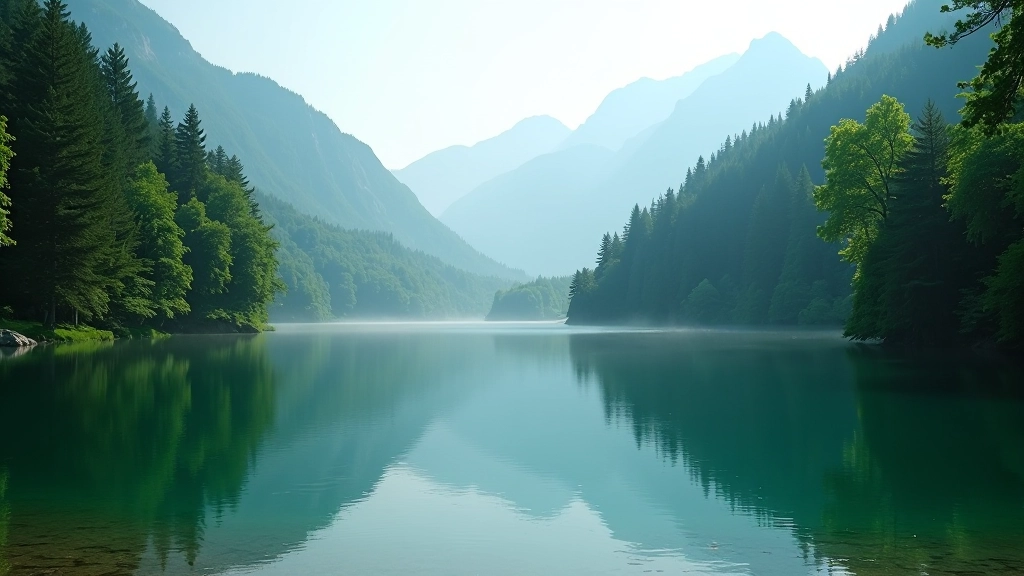
This 6-kilometer loop around Šumava's largest glacial lake takes roughly 2 hours. The trail hugs the shoreline through beech forest, with plenty of spots to stop and sit by the water. It's one of the most contemplative walks in the region.

Vltava River Trail

Follow the young Vltava River as it winds through narrow valleys and past old mills. This trail is flatter than most, making it good for a longer walk without serious elevation gain. About 10 kilometers, taking 3-4 hours at a relaxed pace.

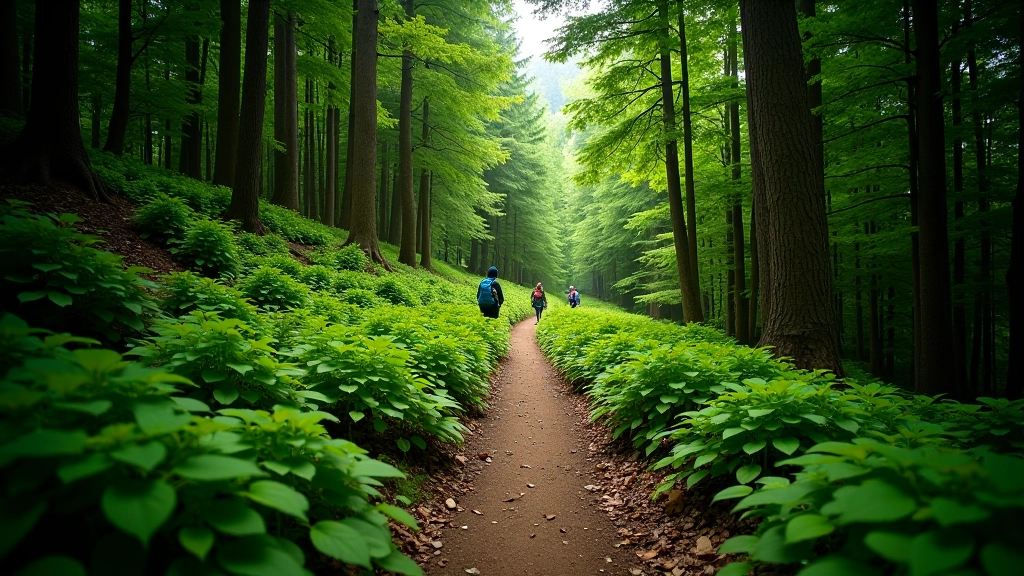
Mountain trail winding through Šumava forest with hikers visible on distant path
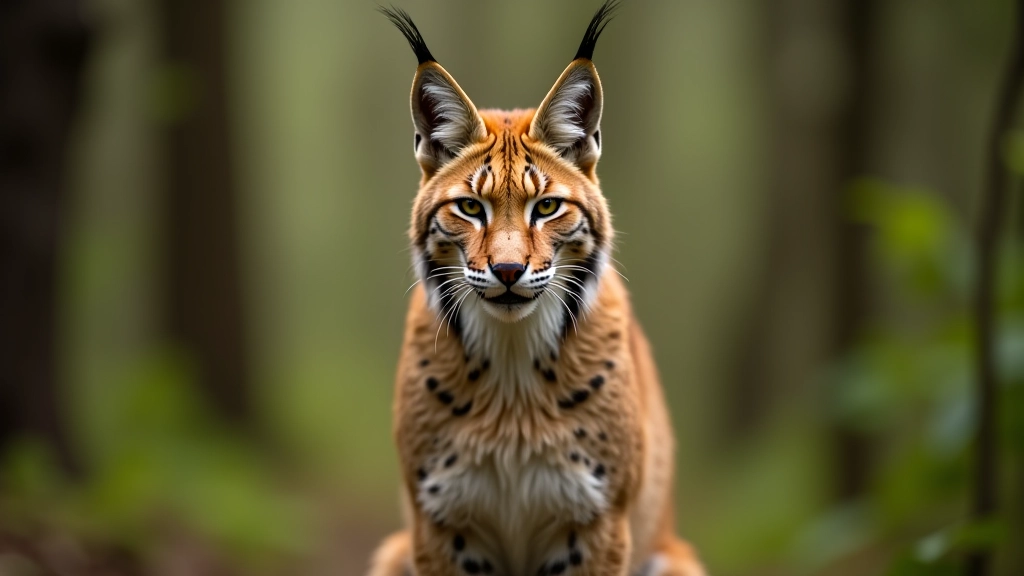
Lynx in natural forest habitat, alert posture among trees

The Animals You Might Encounter

Wildlife in Šumava has made a remarkable recovery. In the 1980s and 90s, the region was considered ecologically dead — remnants of Cold War-era border restrictions and industrial pollution. Today it's thriving. The rewilding effort is one of Central Europe's most successful conservation stories.

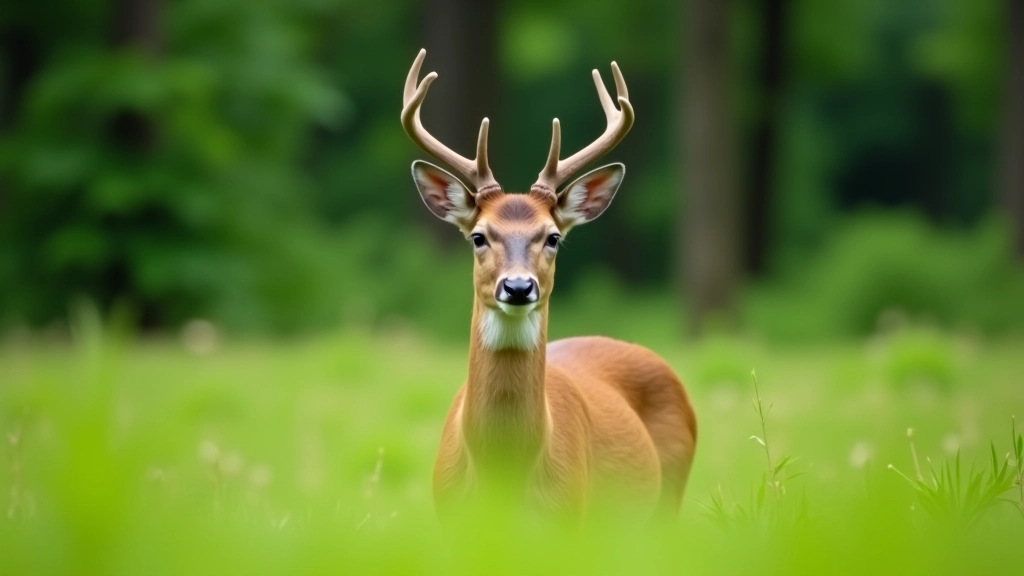
You're most likely to see red deer and roe deer, especially in early morning or dusk. The forests support healthy populations of wild boar, badgers, foxes, and martens. Lynx were reintroduced in the late 1990s, and now there are estimated to be around 50-70 individuals in the area. You probably won't see one — they're elusive — but knowing they're there changes how the forest feels. Wolves occasionally wander in from the east, though they don't establish permanent territories yet. Bird watchers come for black woodpeckers, hazel grouse, and European eagle owls. The streams are full of trout and salamanders.

The key thing is this: you're visiting a place that's actually recovering. The ecosystem is getting stronger, not weaker. That matters when you're walking through it.

When to Visit: Seasonal Considerations

Šumava reveals itself differently depending on when you show up. Each season has its own character, and what you experience will shape how you remember the place.

Spring (April-May)

The forests wake up fast. Snow melts quickly, streams run high with cold water, and wildflowers start appearing on the higher elevations. It's muddy on the trails — waterproof boots aren't optional. But there's an energy to it, and the air smells alive.

Summer (June-August)

The most reliable season. Days are long, weather's stable, trails are dry. The downside is that Šumava's main towns get busy with tourists. If you're hiking, start early and you'll have the trails mostly to yourself. The high elevations stay pleasantly cool even when the lowlands are hot.

Autumn (September-October)

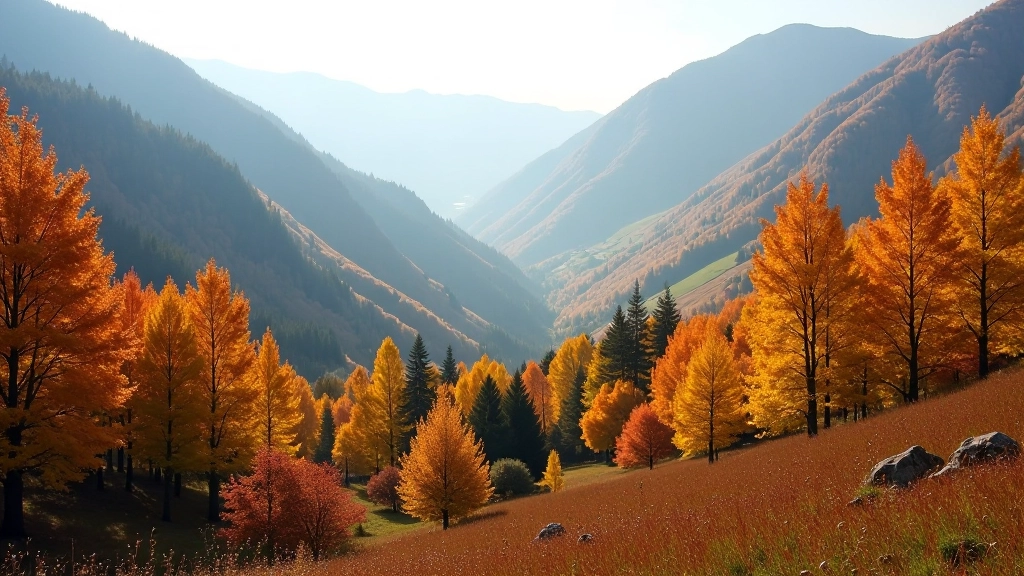
This might be the best time. The beech forests turn golden-red, the crowds disappear, and the air gets crisp. Wildlife's more active as animals prepare for winter. Days are still long enough for proper hikes. Bring a layer for mornings and evenings.

Winter (November-March)

Snow is reliable above 1,000 meters, making it a proper winter landscape. But trails get icy, daylight is short, and weather can turn fast. Only for people who're comfortable hiking in serious cold. The solitude is absolute.

Autumn landscape in Šumava showing golden beech forest with fall colors and misty valleys

Getting There and Practical Details

Šumava isn't remote in the sense of being hard to reach — it's about 2-3 hours from Prague by car. What makes it feel remote is that there's minimal infrastructure. That's intentional. The region has preserved itself partly by not building resort towns and visitor centers everywhere.

The main entry towns are Prachatice, Vimperk, and Modrava. Each offers accommodation ranging from simple hostels to small guesthouses. There's one major highway (the D4) that connects to Germany, but most of the area stays quiet. Public transport exists but it's limited — having a car makes things easier, though it's not essential if you're basing yourself in one town.

Maps are crucial. Get a proper 1:50,000 scale hiking map — the trails are well-marked but signage can be minimal in remote sections. Weather changes fast at elevation, so bring proper gear even if the forecast looks settled. Cell service is patchy, especially in valleys. That's not a problem if you're prepared for it.

Essential gear: Good hiking boots (trails get muddy), waterproof jacket (weather's unpredictable), map and compass, plenty of water, snacks with real calories, and a basic first aid kit. The trails aren't technically difficult, but they're long and remote. Being self-sufficient matters.

Hiker with backpack standing on mountain trail overlooking Šumava valley landscape

Why Šumava Matters

Šumava's value isn't in being a vacation destination with attractions and facilities. Its value is that it exists as wilderness. Real wilderness where the ecosystem functions on its own terms, where you're a visitor rather than a consumer, where silence is the default state.

That's increasingly rare. It's why conservation efforts here matter so much — not just for the lynx and eagles and ancient forests, but because these places anchor something deeper. They remind us that nature doesn't exist for our entertainment. We exist within it.

Whether you're walking for two hours or spending a week, Šumava offers something you won't find elsewhere. The chance to disconnect. The chance to move at the pace of the forest rather than the pace of the world outside. If that sounds like what you need, the trails are waiting.

Important Disclaimer

This article is provided for educational and informational purposes only. While we've made efforts to ensure accuracy, conditions in Šumava can change due to weather, seasonal factors, and trail maintenance. Always check current trail conditions, weather forecasts, and local advisories before visiting. Hiking and wilderness activities carry inherent risks. You're responsible for your own safety and well-being. Wear appropriate gear, follow marked trails, respect wildlife, and don't take unnecessary risks. If you're unfamiliar with hiking, consider going with an experienced guide. The information here is meant to help you plan, not to serve as a substitute for proper preparation and caution.