Lakeside Picnic Areas Worth Visiting
Discover the best waterside spots across Czech Republic—from serene mountain lakes to accessible recreational areas perfect for relaxation and outdoor meals.

Why Lakeside Spots Matter for Outdoor Relaxation
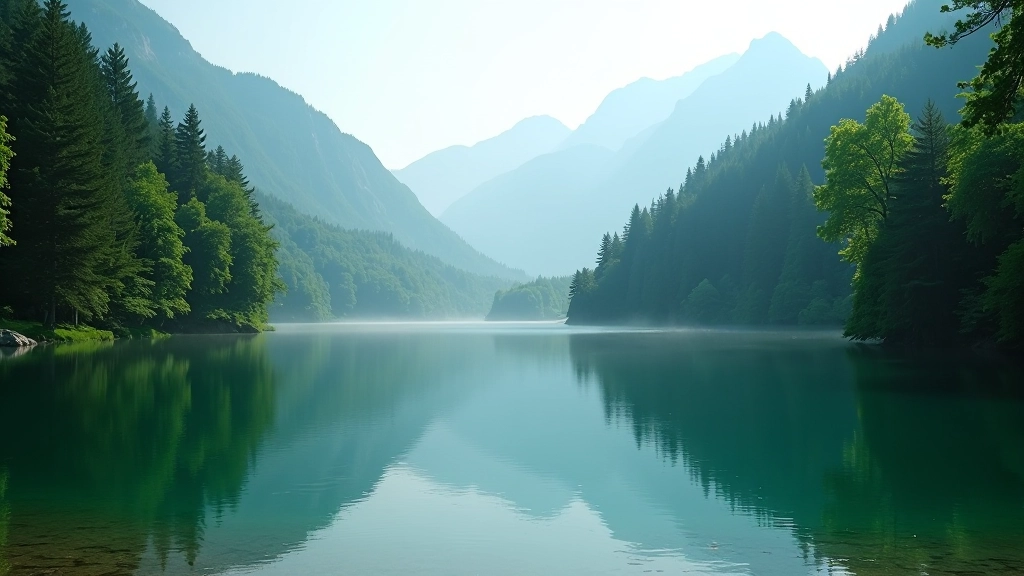
Water has a way of pulling you into the present moment. There's something about sitting by a lake—the gentle lapping of waves, the reflection of sky and trees—that makes everything else fade away. It's not hiking. It's not exercise. It's simply being in a place where nature moves at its own pace, and you get to match that rhythm.
Czech Republic's lakes aren't just scenic backdrops. They're working landscapes where you'll find fishermen casting lines, families spreading blankets on grass, and people who've discovered that the best days aren't the busiest ones. We've spent years visiting these spots, talking to locals, and noticing which areas deliver real value—good access, clean water, decent facilities nearby, and that intangible quality of feeling genuinely away from things.
What Makes a Good Picnic Lake
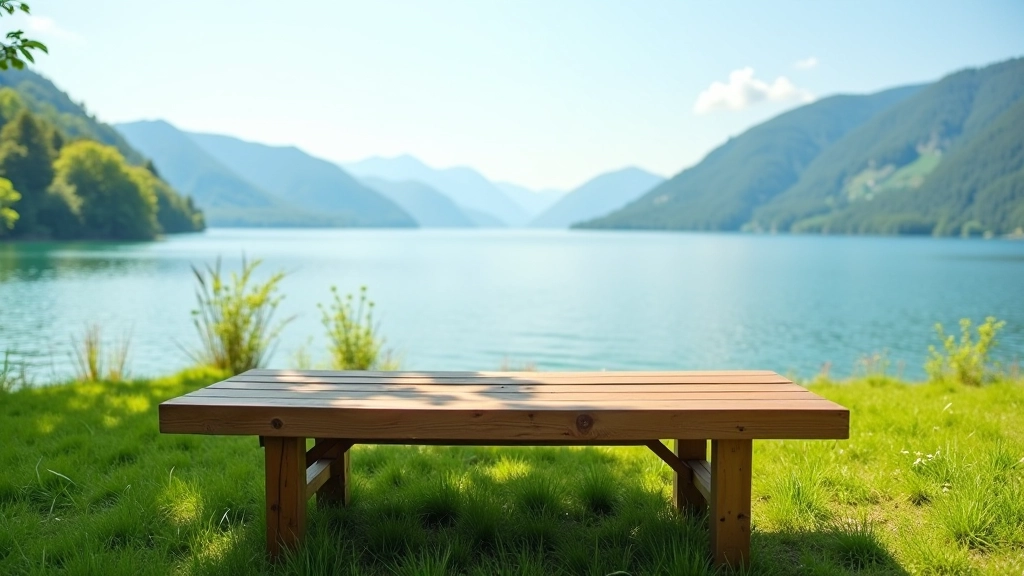
Not all lakes work equally well for picnicking. You'll want to think about three things: access, facilities, and actual swimming quality. A lake that's a 45-minute drive but has parking, a shop, and a toilet block beats one that's closer but requires hiking through swamp to reach the water. Real talk—you don't want to be uncomfortable when you're trying to relax.
Water temperature matters more than you'd think. Mountain lakes stay cold year-round—perfect if you're just wading or cooling off on a hot day, less ideal if you're planning extended swimming. Lower elevation lakes warm up nicely by July and August. Most good picnic areas have been developed specifically for that purpose—they've got barbecue spots, designated swimming zones, and waste bins. These aren't wilderness areas. They're working recreation spaces, and that's their strength. You get nature without the complications.
Quick Checklist Before You Go
- Parking available and reliable (especially weekends)
- Water quality monitored and safe for swimming
- Facilities within reasonable walking distance (restrooms, water)
- Shaded areas or shelter options (essential on hot days)
- No entry fees or minimal cost
- Accessible year-round or clearly marked seasonal closures
Regional Variety: What You'll Find
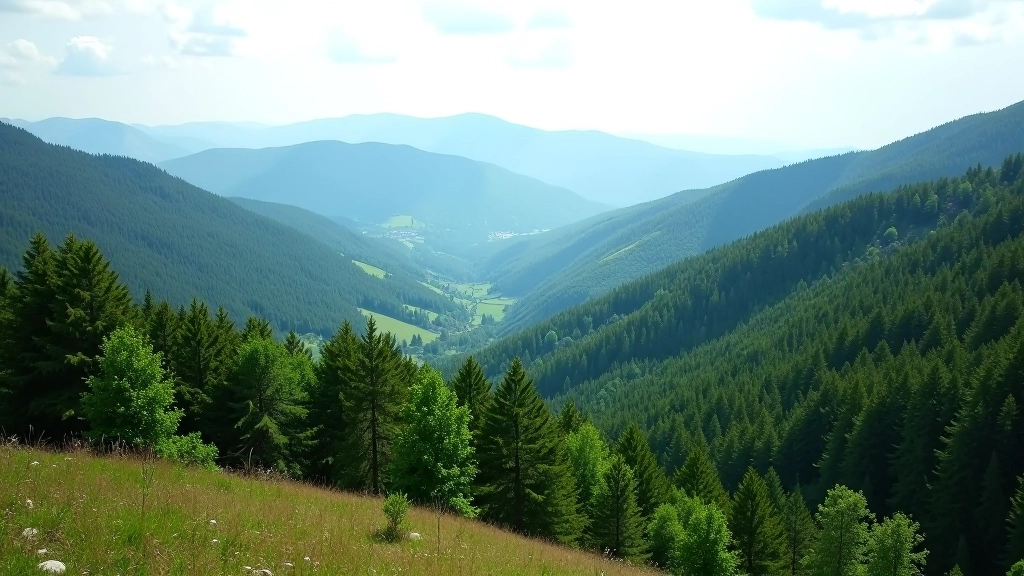
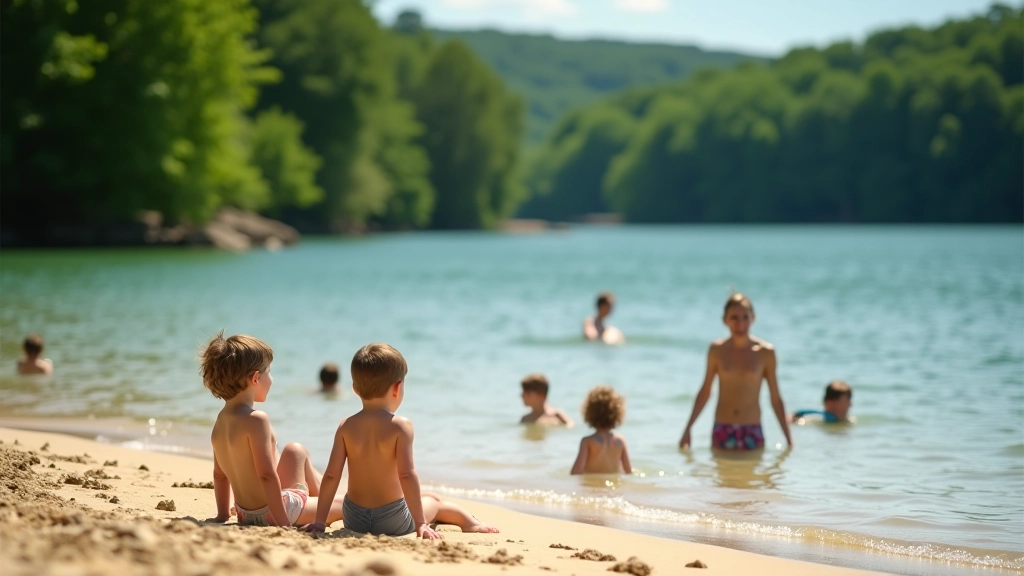
The beauty of Czech lake picnicking is the variety. The country has everything from glacial remnants in the north to artificial reservoirs built specifically for recreation. Each type offers something different. Mountain lakes—found mainly in the Bohemian Forest and Šumava—tend to be smaller, colder, and more isolated. You'll drive past dense spruce forest to reach them. The water's always cold, sometimes murky from peat, but the solitude is genuine. Bring warm clothes even in summer.
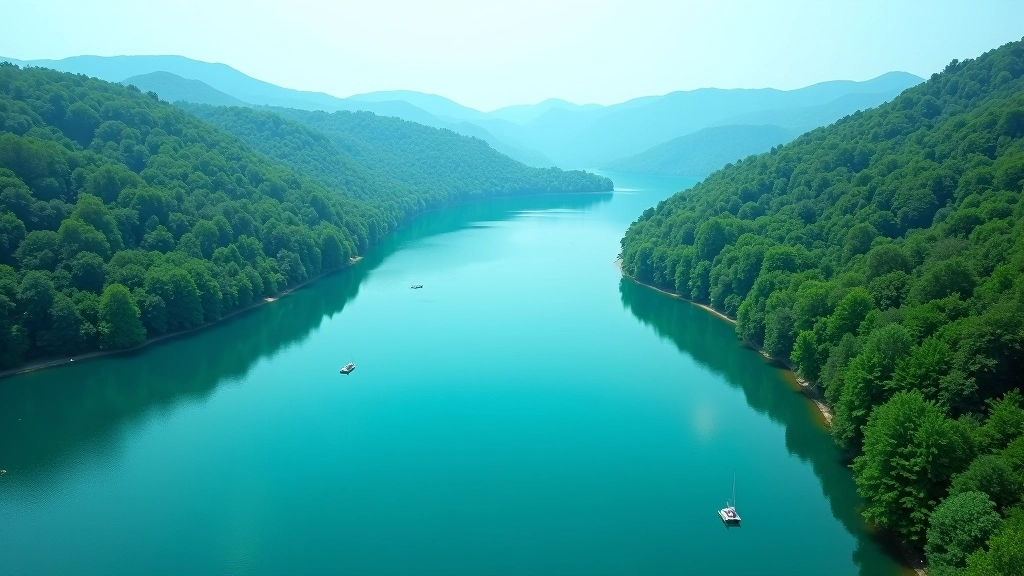
Lowland lakes and reservoirs—places like Lipno, Vltava, and Slapy—are engineered recreation areas. Bigger, warmer, better developed. Lipno's the standout: massive surface area, proper beaches, restaurants, rental equipment, the works. If you want a "proper" beach day without driving to the coast, this is it. Water's swimmable from June onward. But they're busier. Weekends fill up. You've got to get there early.
Then there's the middle ground—medium-sized lakes in rural areas that have basic facilities but feel less overrun. These spots don't have the Instagram appeal of dramatic mountain views, but they're where you actually see people picnicking. Local families. Couples. Older folks who've been coming to the same spot for 20 years. The experience is quieter, more authentic.
Planning Your Visit: Timing and Logistics
Timing's everything. Go mid-week if you can. Even popular lakes feel different on a Tuesday morning versus Saturday afternoon. The difference between crowds and peace is literally 24 hours. Water quality peaks in mid-summer (July-August) when temperatures are warmest and water's been sitting long enough to settle. Spring water's often murky from snowmelt. Late September starts getting cold again, but the light's better—softer, more golden. Perfect for photography if that matters to you.
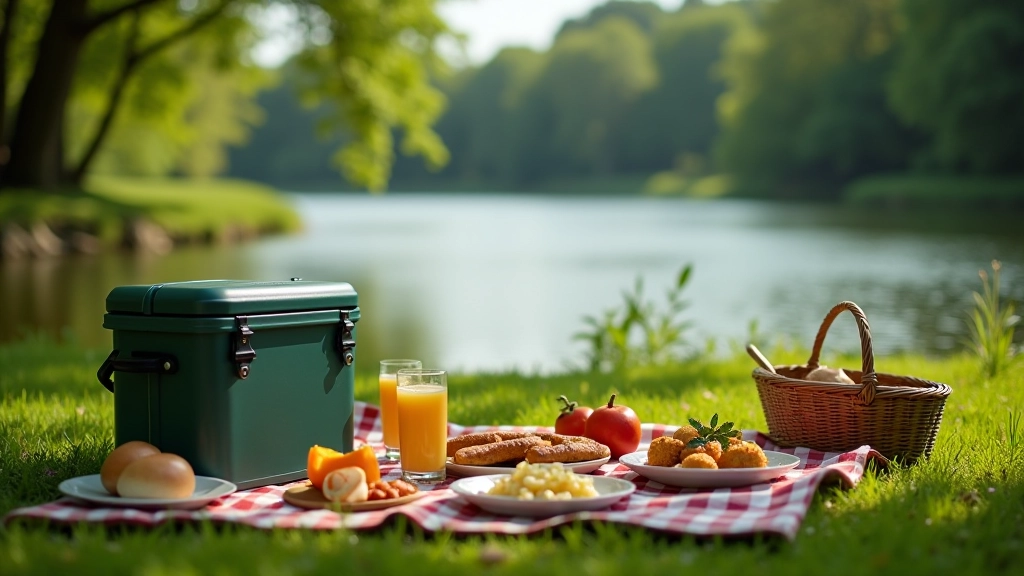
What to actually bring depends on the lake. Mountain spots? Warm layers, waterproof bag, bug spray. Lowland reservoirs? Standard beach gear. One thing that works everywhere: a proper cooler with ice or frozen packs. You'll want cold drinks and your food won't spoil. Bring more water than you think you'll need—dehydration sneaks up when you're sitting still by water. Don't rely on facilities to have drinking water available. They sometimes do, sometimes don't.
Check weather forecasts the day before and the morning of. Czech weather changes fast. A lake that's perfect one day becomes unpleasant if wind kicks up or clouds roll in. Wind matters more than you'd expect—it creates chop on the water and makes temperature feel colder. Overcast days are actually ideal for picnicking (no sunburn, more comfortable), but full rain obviously ruins the plan.
The Experience: What Actually Happens
Here's what a real lakeside picnic looks like. You arrive, find your spot—preferably with some shade—and just sit. That's the core of it. You'll eat when you're hungry, swim if you're warm, read if you brought something. Conversations happen naturally. People aren't rushing. There's no schedule. The water does this thing where it holds your attention without demanding anything from you. You can stare at it for hours and not feel bored. That's the actual value of these places.
Bring kids? They'll find things to do—wading, collecting rocks, exploring the shoreline. Older folks appreciate the peace. Couples get time together without distractions. Solo visitors often find other people and end up chatting—it happens more at lakes than it does in cities. There's something about shared space and shared appreciation for a place that opens people up.
The best part often comes late afternoon when the light changes. That golden hour when everything gets warm-toned and soft. It's when people usually pack up, but if you stay a bit longer, you'll see fewer people leaving and the lake gets quieter again. That's when you realize why this matters—it's one of the few places where doing nothing is the entire point.
Starting Your Lakeside Picnic Journey
Czech Republic has incredible variety in lake environments. You don't need to overthink it. Pick a lake that sounds appealing, check basic conditions, and go. Bring food, bring people you enjoy, and plan to stay longer than you think you will. The rhythm of a lake day isn't rushed. That's the whole point. Whether you're drawn to mountain solitude or developed recreation areas, there's something here for everyone. The water's waiting.
Important Notice
This article provides educational information about lakeside picnic locations and general recreation practices in Czech Republic. Water safety, facilities, and conditions vary by location and season. Always check local regulations, water quality reports, and weather conditions before visiting. Swimming ability matters—supervise children constantly. Not all lakes permit swimming or picnicking year-round. Contact local authorities or visitor centers for current information about specific locations, facility availability, and any seasonal restrictions. This content is informational and doesn't constitute professional advice for specific situations.